Event Films
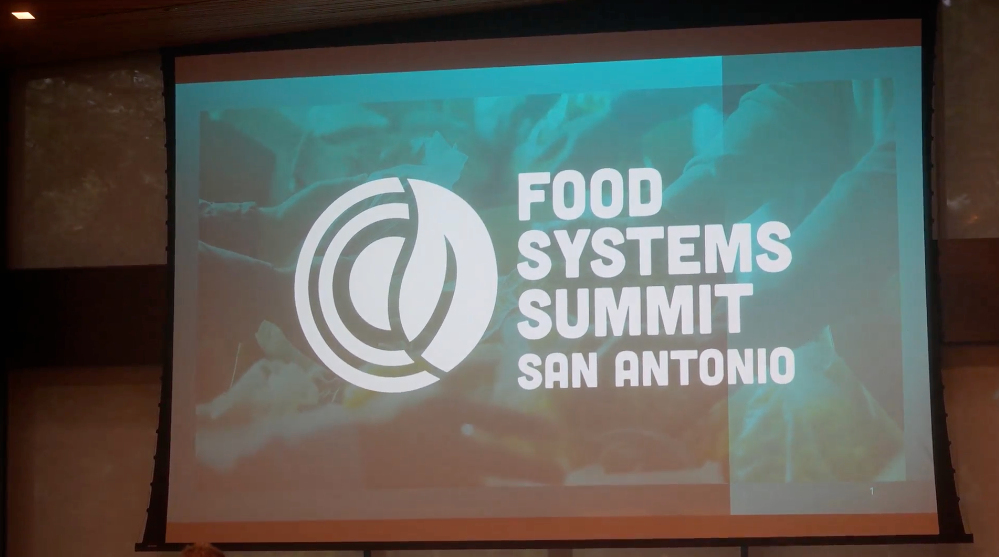
San Antonio Food Systems Summit
Two stories from the summit, made with the City of San Antonio’s World Heritage Office and watched by more than 145,000 people, plus short films that reached 110,000 more.
The overview
- 145,000+ views across two films
- 8,200 hours watched
- 110,000+ views on a single short from the summit
The brief
San Antonio is a UNESCO Creative City of Gastronomy, and the City’s World Heritage Office takes that seriously. Each year it hosts the Food Systems Summit, bringing together farmers, chefs, educators, and community leaders to ask how this place will feed itself, and what it can learn from the foods that have always grown here.
In 2026 the summit came to the San Antonio Botanical Garden, a longtime partner of mine and one of the best places in the city to see what South Texas soil can grow. The office didn’t want a highlight reel. They wanted a story that would carry their heritage foods work beyond one day at the Garden, to people who had never thought about what their land once fed.
What I made
I spent the day filming the summit and listening for the story. Ethnobotanist Dr. Gary Paul Nabhan was leading a small group through one of the Garden’s native plant gardens, stopping at plant after plant to show how each one had fed people here for centuries.
So I built the film around him. Texas Used to Eat This walks with Gary through the Garden, with the summit as its backdrop, and asks a simple question: what did this place feed us before we stopped paying attention? It tells the story of the World Heritage Office’s heritage foods work, and of a city rediscovering a food culture that has been growing under its feet all along.
The summit led to a second story. One of the workshop leaders, Shannon Jackson, known as the Texas Bean Freak, has spent years saving heirloom seeds suited to Texas heat and drought. Her work became Rare Vegetables That Thrive in Texas Heat, a film about growing food that belongs here. It wasn’t part of the original scope, but that’s what happens when you follow your curiosity.
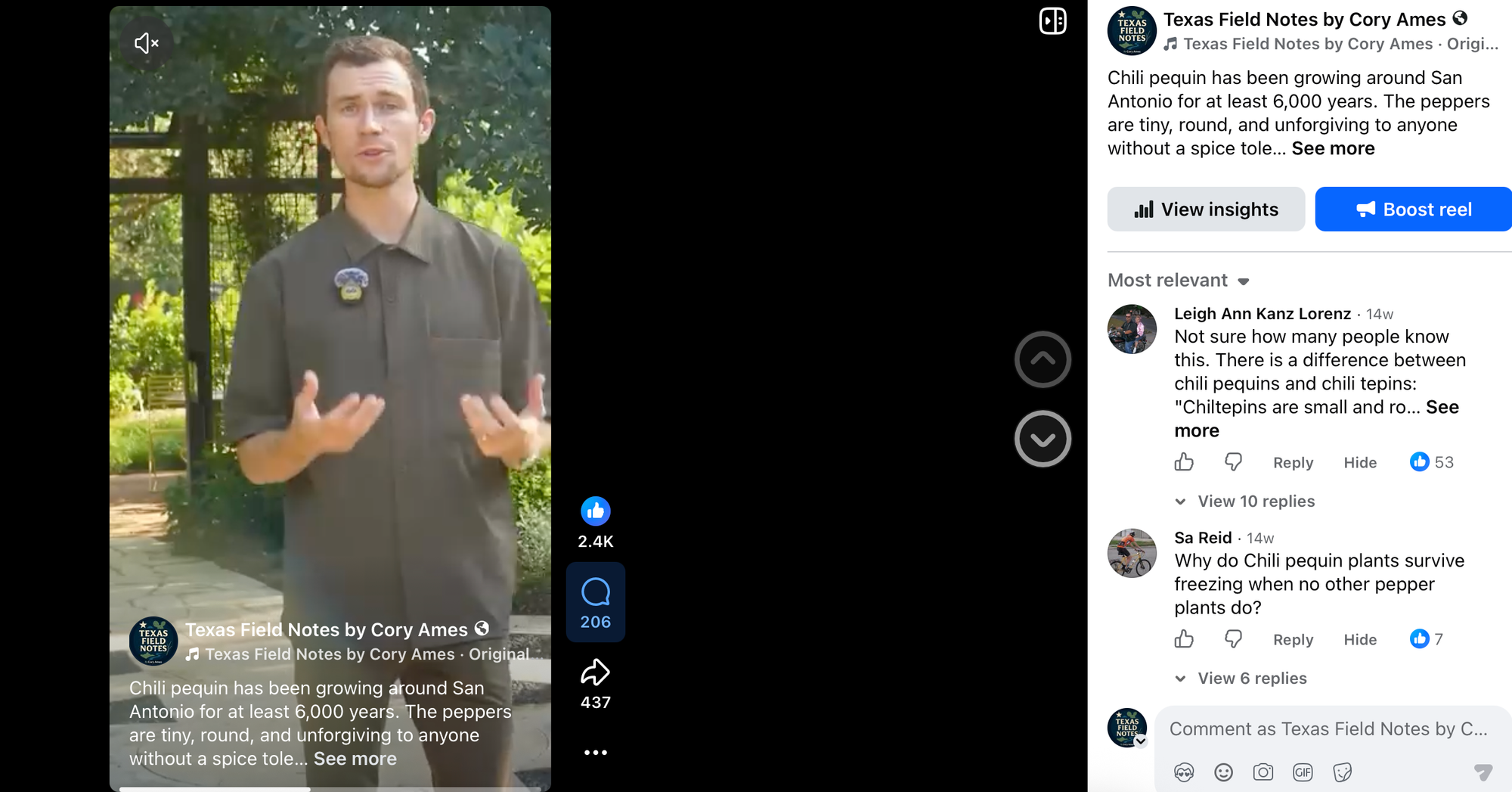
The project also produced short films for the City’s channels and mine. One featured the chili pequin, a tiny, fiery pepper that has grown around San Antonio for at least 6,000 years. It reached more than 110,000 views.
What happened
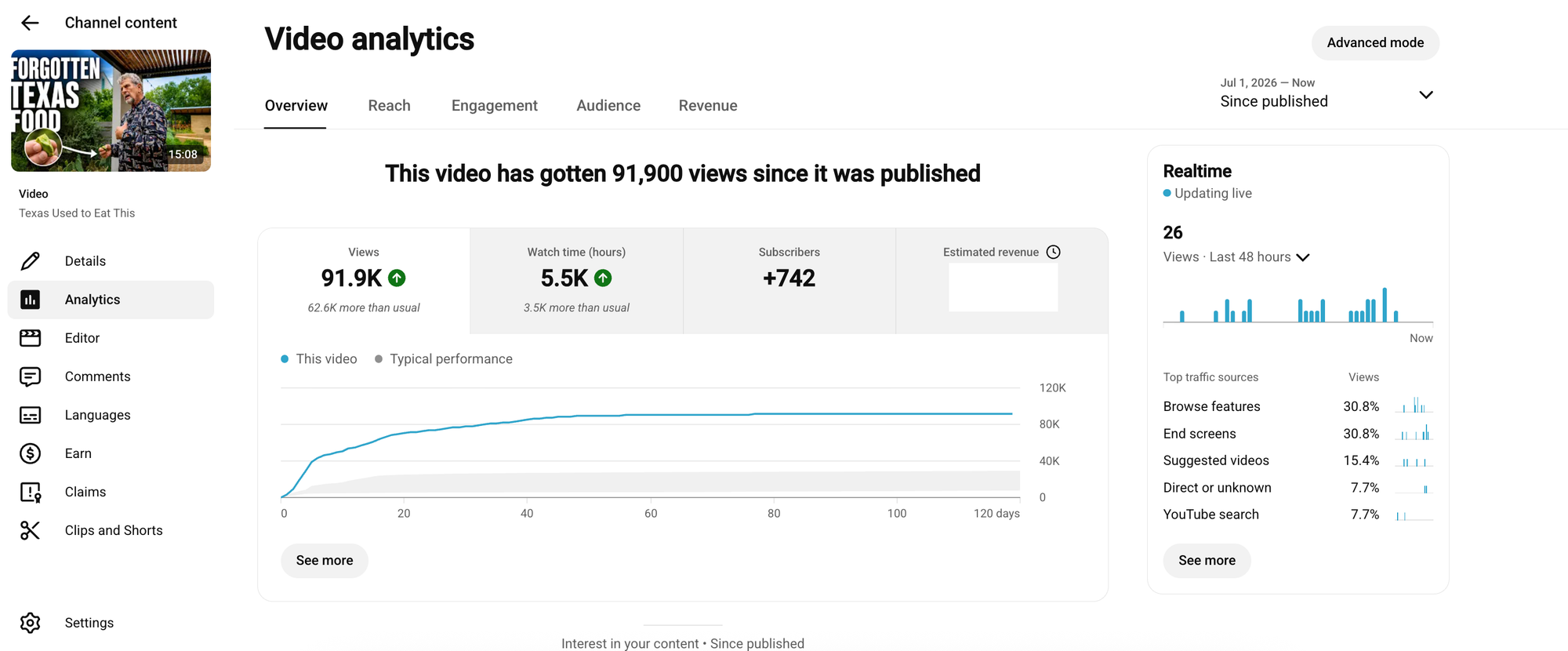
Texas Used to Eat This passed 90,000 views in its first eight weeks, three times my channel’s typical reach, and has been watched for more than 5,500 hours.
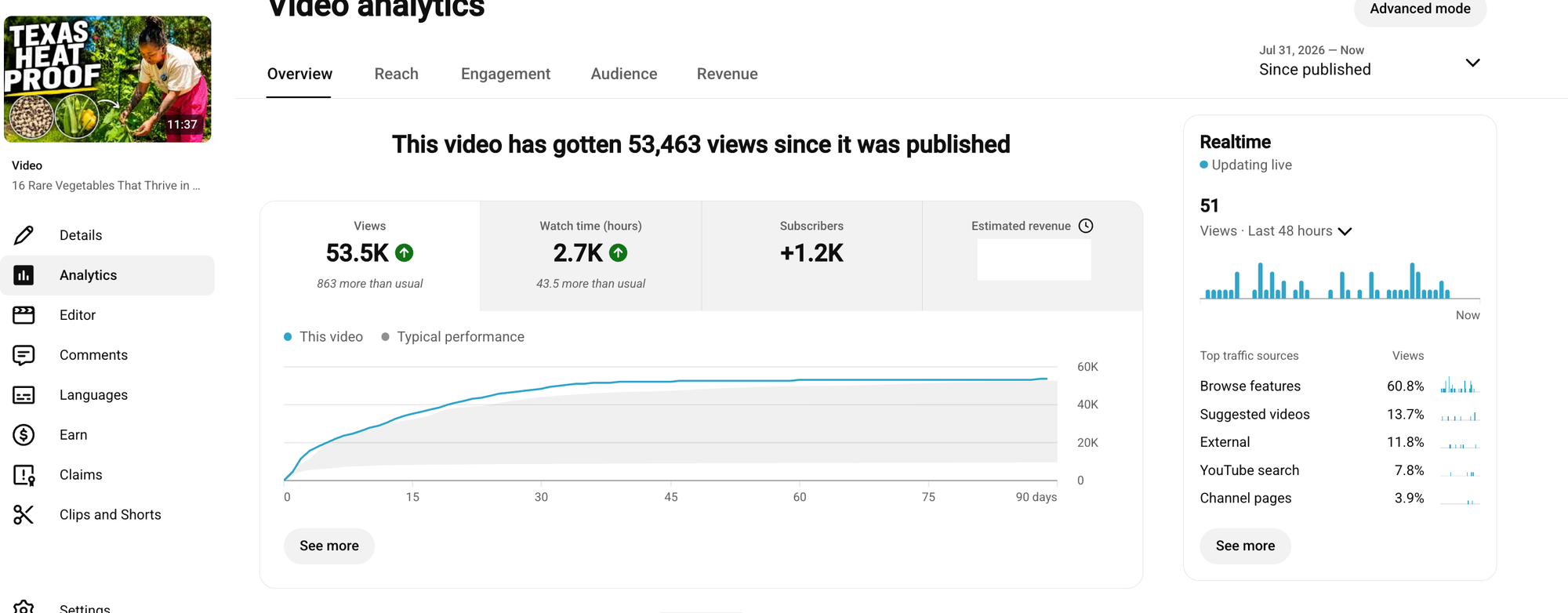
16 Rare Vegetables That Thrive in Texas Heat, the story that grew out of the summit, has reached more than 53,000 people. It also brought in more than 1,200 new subscribers, more than the main film. People who care about growing food that belongs here wanted to keep watching.
Together, the two films have been watched for more than 8,200 hours by over 145,000 people. For the World Heritage Office, that means San Antonio’s heritage foods story reached well beyond the Garden’s gates, to Texans across the state who now know a little more about what grows where they live.
Why it matters
San Antonio’s food story is one of the oldest in North America. It runs through mesquite and prickly pear, chili pequin and heirloom beans, and through the people who have kept those traditions alive. Most of us eat here every day without knowing any of it.
Telling that story well changes how people see their city and their land. A pepper becomes a 6,000-year-old neighbor. A garden tour becomes a reason to look twice at what grows along your street. That’s what I bring to partners: not a recap of what happened, but the story of place inside it, followed wherever it leads.