Original Film
Robert L.B. Tobin Land Bridge
Five years after it opened, nobody had told the bridge’s story at length. So I did, 400,000 people watched, and coverage from The Guardian and Texas Public Radio followed.
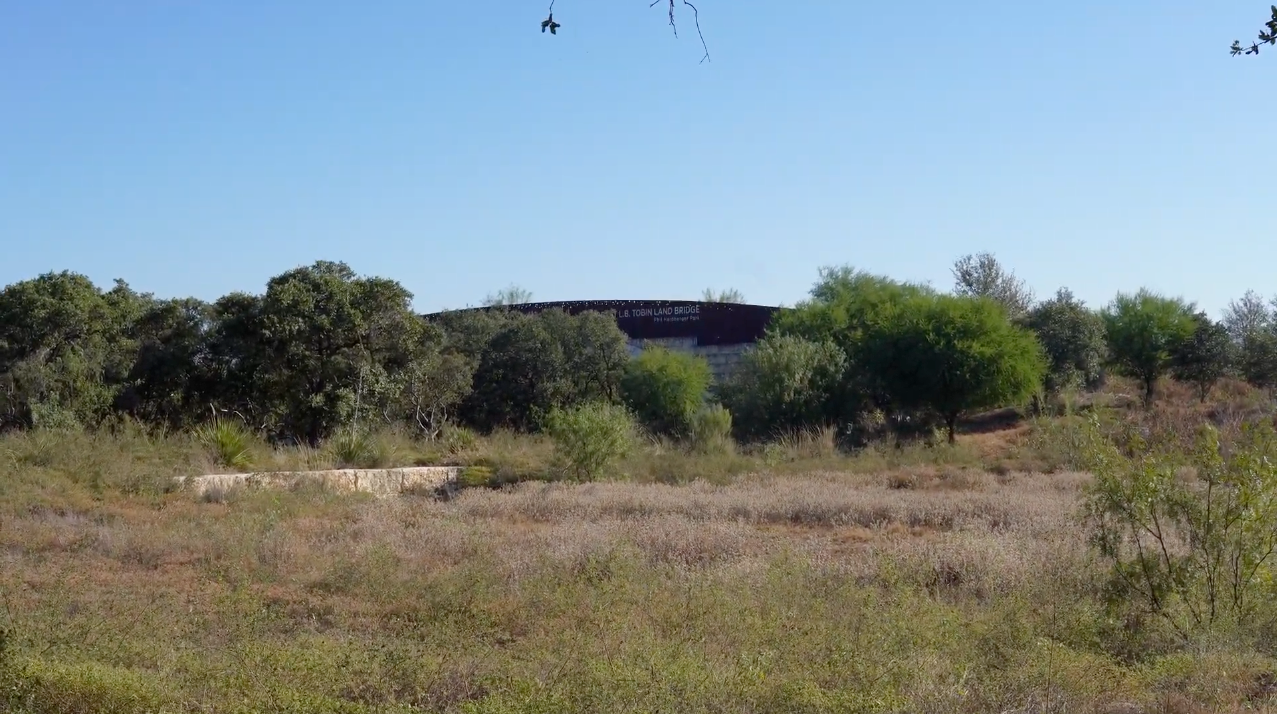
The overview
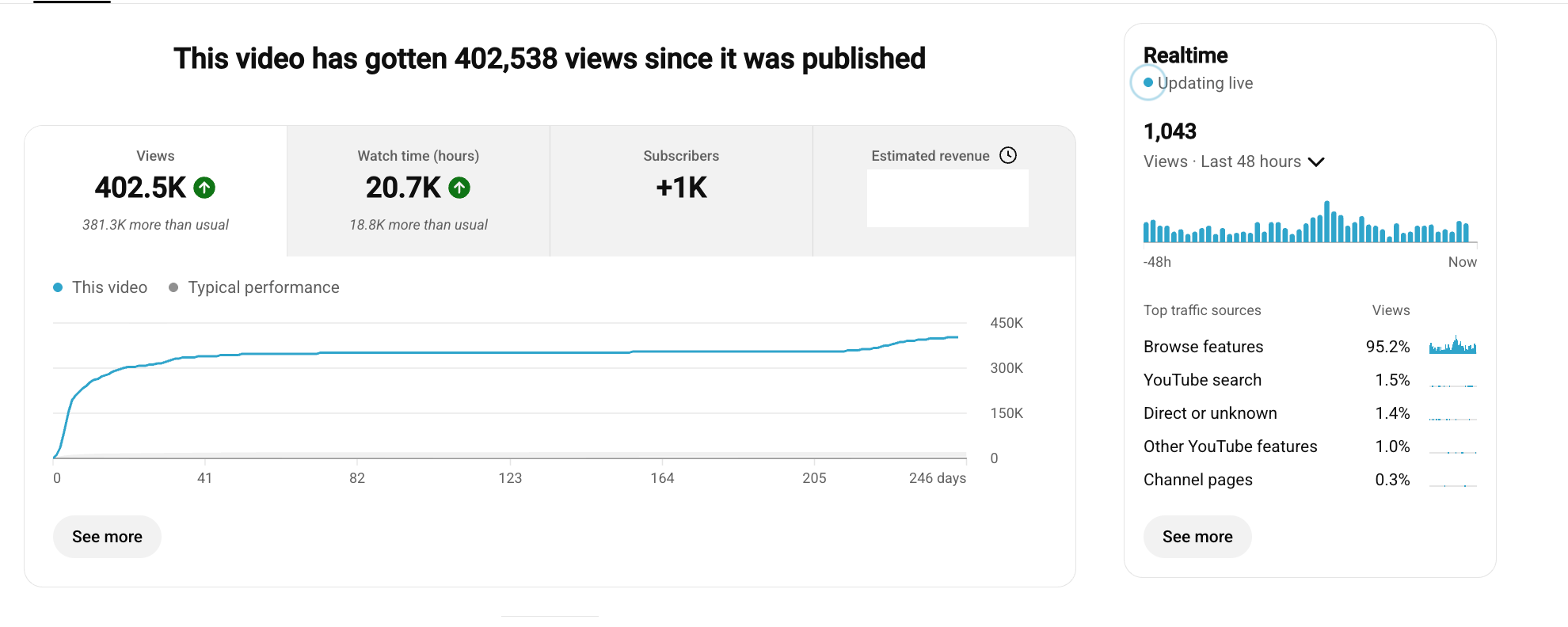
- 402,000+ views
- 20,700 hours watched
- Still drawing about 500 views a day, eight months later
The gap
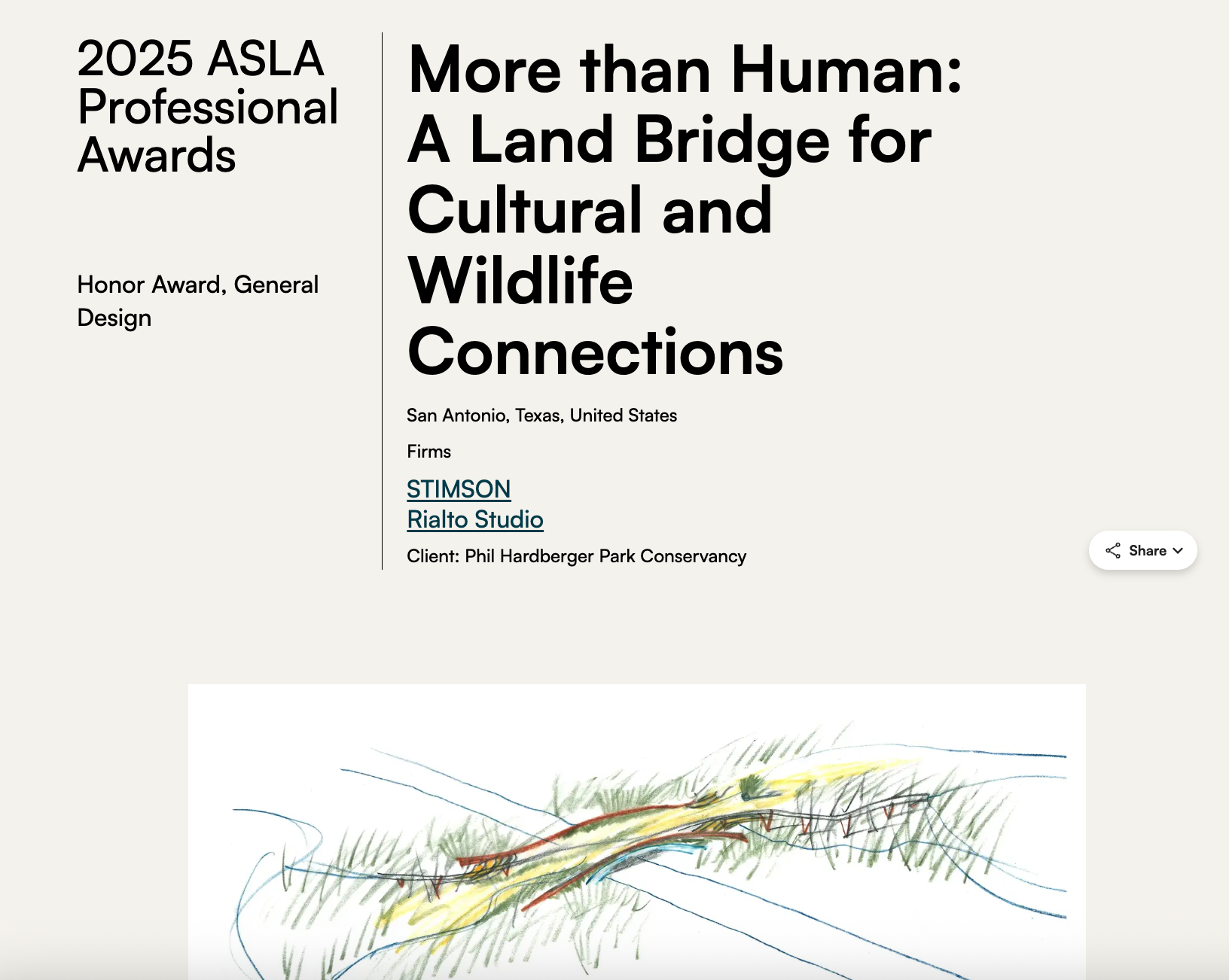
Phil Hardberger Park is one of my family’s favorite places in San Antonio, and the Robert L.B. Tobin Land Bridge is the heart of it. It was the first land bridge of its kind in the United States built for both people and wildlife, reconnecting a mile-wide stretch of park and creek corridor that a six-lane highway had cut in two. In 2025 it won an Honor Award from the American Society of Landscape Architects. The jury called it “an impressive ecological investment by the community.”
Yet as the bridge’s fifth anniversary approached, I could hardly find its story told anywhere. There were press releases when it opened, and then silence. A nationally recognized achievement, built by our own community, and most San Antonians had never heard it told.
What I made
So I set out to tell it, and to ask the obvious question: is it working? With support and encouragement from the Phil Hardberger Park Conservancy and Melissa Kazen, the Executive Director, I walked the bridge with former Mayor Phil Hardberger and park naturalist Wendy Leonard, and I looked at what the trail cameras had captured.
The result is a short documentary about what the bridge was meant to do, what it actually does, and why it matters for a city learning to make room for wildlife.
What followed
- February 26, 2026: the film is published.
- June 26, 2026: The Guardian publishes “In pictures: a San Antonio land bridge designed for wildlife and people.”
- August 10, 2026: Texas Public Radio asks, “Robert L.B. Tobin Land Bridge: Does it work as intended?”
I don’t know how either story came about. But it’s been rewarding to see the bridge finally getting the attention it deserves.
Why it matters
San Antonio has a habit of underselling itself. We build remarkable things, like a land bridge that leads the country, and then we let the story go untold. When that happens, we lose more than coverage, we lose a chance to see ourselves clearly.
Telling these stories at length changes that. It gives San Antonians a reason to be proud of what we’ve built together, and a way to measure the progress we’re making.
It changes how we see ourselves, and over time, how others see us too. The Guardian and Texas Public Radio followed. More importantly, 400,000 people now know what San Antonio made here.
This is the work I care most about: finding the stories of our own excellence hiding in plain sight, telling them well, and putting them in front of the people who live with them. It’s also the work I do with partners.